
Battle of Varna 1444: what happened and where to see the battlefield
On 10 November 1444 Sultan Murad II defeated the crusader army of Władysław III and John Hunyadi west of Varna; the king died and the crusade ended.
The Battle of Varna was fought on 10 November 1444 on the plain just west of medieval Varna. An Ottoman army under Sultan Murad II defeated a crusader army led by King Władysław III of Poland and Hungary and the Hungarian commander John Hunyadi; the young king was killed and the Crusade of Varna collapsed. Today the battlefield is a memorial park and museum in the western part of the city (Visit Varna).
Why was the battle fought?
In 1444 Murad II signed a ten-year truce (the Peace of Szeged) with Hungary and then abdicated in favour of his son Mehmed II. Urged by the papal legate Julian Cesarini, and with backing from the Pope and Venice, Władysław broke the truce and marched down the Danube towards the Black Sea, joined by Hunyadi’s troops and a Wallachian contingent. Murad returned to command the Ottoman army, which crossed into Europe and met the crusaders at Varna.
What happened on 10 November 1444?
Estimates of the armies vary widely: the Ottoman force is often put at 50,000–60,000, the crusaders at roughly 20,000. Hunyadi drew the Christian army up in a wide arc. The decisive moment came when Władysław, against Hunyadi’s advice, charged the Ottoman centre with his guard and was killed. Without their king, the crusaders broke; many died in the marshes, while Hunyadi escaped towards the Danube.
Why does it matter?
The defeat ended the last large crusade aimed at pushing the Ottomans out of the Balkans. It strengthened Ottoman rule in the region for more than four centuries and left Constantinople with little hope of help before it fell in 1453. The battle is remembered differently by each side:
- Ottoman and Turkish view: a decisive victory of Murad II that secured the Balkans – which is why “Varna” is so well known in Turkey.
- Polish view: the heroic death of Władysław III, called Warneńczyk (“of Varna”); the date of the battle is inscribed on the Tomb of the Unknown Soldier in Warsaw.
- Hungarian view: the campaign of John Hunyadi, who later became Governor of Hungary.
How do you visit the battlefield today?
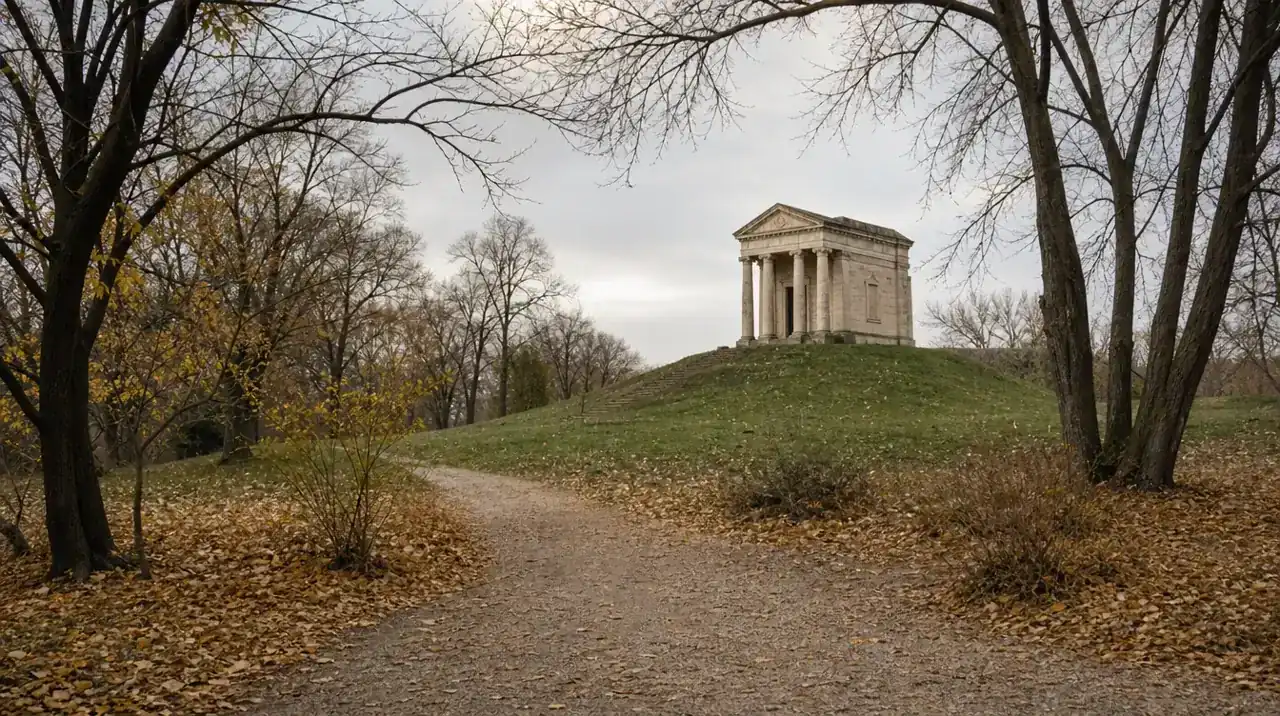
The Park-Museum “Vladislav Varnenchik” (55 Yanosh Huniyadi Blvd) covers about 3 hectares around two Thracian burial mounds. A symbolic mausoleum for the king was built over a 4th-century BC Thracian tomb in 1935; the museum opened in 1964 for the 520th anniversary, together with a monument to Hunyadi. Inside you will find 15th-century helmets, crossbows, swords and armour found on the battlefield, plus paintings and models.
- Hours (as of 2026-10, per visit.varna.bg): Tuesday–Saturday 10:00–18:00, last tickets 17:30; closed Sunday and Monday.
- Tickets (as of 2026-10): adults €4.09, students and seniors €1.02, family €6.14, under-7s free; free for everyone on the last Wednesday of the month. Check locally, as other official listings differ.
- Getting there: buses 22, 118 or 118A, or trolleybus 82, to the stop “Park-muzey Vl. Varnenchik”.
- Time needed: 1–1.5 hours for the museum and park.
Turkish and Ottoman traces in Varna
Varna was an Ottoman town until 1878. The most visible trace is the Azizie Mosque on Angel Georgiev Street, a small Ottoman-style mosque with a single minaret. It fell into disrepair after 1944, its roof collapsed in 1976, and after repairs from 1990 it again serves the local Muslim community. If you visit, dress modestly and avoid prayer times.
How to plan your visit
Combine the Park-Museum with the Varna Archaeological Museum on a history day, and read our overview of Varna’s history from Odessos to today for the wider story.
Sources
The list 3
✨ Picked for the current time and weather in Varna
Park-Museum "Vladislav Varnenchik"✨ Good right now
A 3-hectare park on the battlefield with a museum of 15th-century weapons, knight's armour, paintings and a hall dedicated to John Hunyadi. Open Tue–Sat 10:00–18:00, last tickets 17:30.
Best for: Arms, armour and the story of the battle
Mausoleum of Władysław III✨ Good right now
Built in 1935 over a 4th-century BC Thracian burial mound as a symbolic mausoleum for the king, whose body was never found. Nearby stands the 1964 monument to John Hunyadi.
Best for: The symbolic tomb of the king and a 4th-century BC Thracian tomb
Azizie Mosque✨ Good right now
A small single-hall mosque with a pitched roof and a slender minaret in a courtyard. Its roof collapsed in 1976, repairs began in 1990 and it is again a place of worship – visit respectfully and outside prayer times.
Best for: Seeing a working Ottoman-style mosque in the city
Frequently asked questions
Which sultan won the Battle of Varna?
Sultan Murad II. He had abdicated in favour of his young son Mehmed II earlier in 1444 but was recalled to command the army against the crusade.
Where exactly was the Battle of Varna fought?
On the open ground west of the medieval town, north of Lake Varna. The memorial Park-Museum "Vladislav Varnenchik" stands on the former battlefield in today's western Varna.
What happened to King Władysław III?
He was killed after charging the Ottoman centre. Ottoman chroniclers say he was beheaded; his body was never identified, which later fed legends that he survived. Poles call him Warneńczyk, "of Varna".
Is there a mosque in Varna?
Yes. The Azizie Mosque on Angel Georgiev Street is a working mosque under the Varna Muftiate; regular prayers resumed there after 1992.


