Is Bulgaria in Schengen? Visa and entry rules for 2026
Yes. Bulgaria is a full Schengen member since 1 January 2025. EU citizens need only an ID card; others follow Schengen visa rules and register in EES.
Yes — Bulgaria is a full member of the Schengen area. Checks at air and sea borders ended on 31 March 2024 and checks at land borders with other Schengen states were lifted on 1 January 2025 (Council Decision (EU) 2024/3212). For visitors that means the common Schengen rules apply: one visa, one 90/180-day limit and biometric registration in the EU Entry/Exit System (EES).
What changed when Bulgaria joined Schengen?
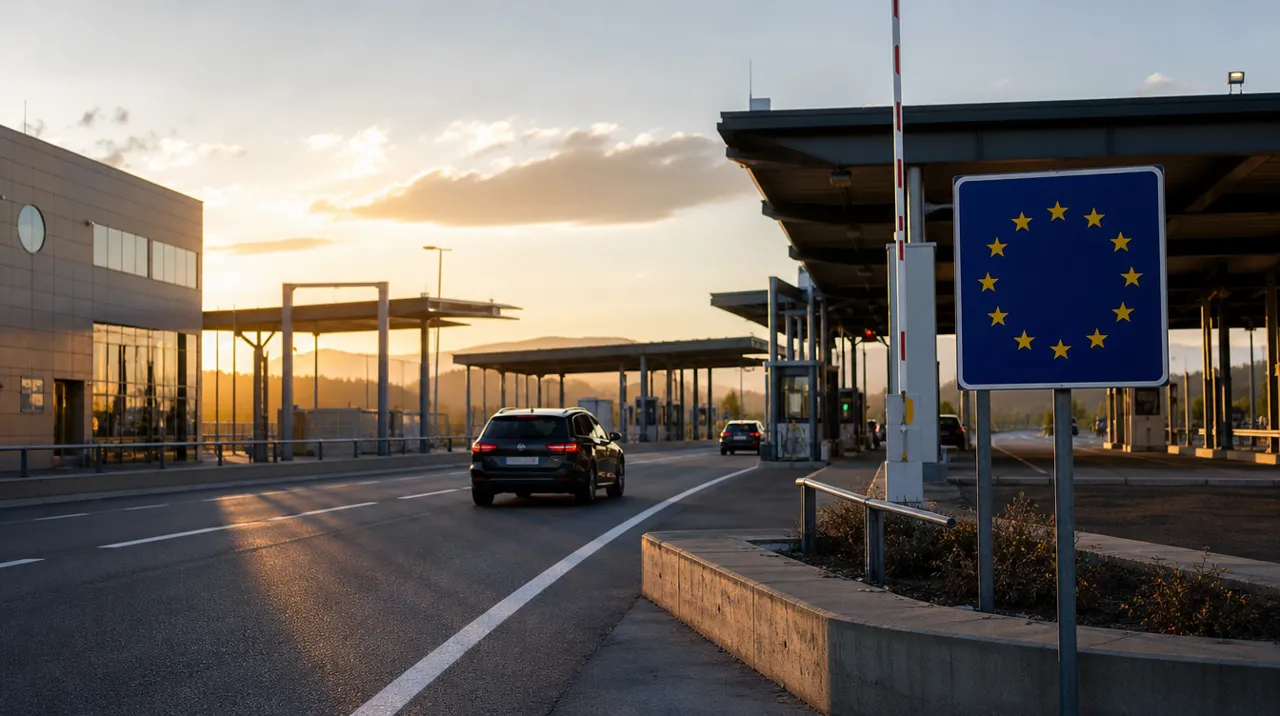
There are no routine passport checks any more when you arrive in Varna from another Schengen country — by plane from Germany, by car from Romania across the Danube bridges, or from Greece. Police can still carry out spot checks inside the country, and any Schengen state may temporarily reintroduce border controls, so always carry your ID card or passport. The border with Türkiye (for example at Kapitan Andreevo), Serbia and North Macedonia is now an external Schengen border with full checks.
Who needs a visa for Bulgaria in 2026?
| Citizenship | Visa for up to 90 days? | Document |
|---|---|---|
| EU, EEA, Switzerland | No (free movement) | ID card or passport |
| United Kingdom, United States | No | Passport |
| Ukraine | No (biometric passport) | Biometric passport |
| Moldova | No (biometric passport) | Biometric passport |
| Türkiye – ordinary passport | Yes, Schengen C visa | Passport + visa |
| Türkiye – diplomatic and service (grey) passports | No, up to 30 days | That passport |
| Türkiye – special (green) passport | Yes, Schengen C visa | Passport + visa |
| Russia, Belarus | Yes, Schengen C visa | Passport + visa |
Rules as of 2026-10; always confirm on the Bulgarian Ministry of Foreign Affairs website (mfa.bg) before travelling.
What is the 90/180-day rule?
Visa-free visitors may stay a maximum of 90 days in any rolling 180-day period, counting days in all Schengen countries together. Overstaying can lead to fines and an entry ban. Passports must have been issued within the last 10 years and stay valid at least three months after you plan to leave the Schengen area.
What is EES and what happens at the border?
Since 10 April 2026 the EU Entry/Exit System is fully operational at every external Schengen border, including Varna and Burgas airports and the land border with Türkiye. Non-EU short-stay visitors give a facial image and fingerprints on their first entry; the record replaces passport stamps and is reused on later trips. EU citizens and long-term residents are not registered. Allow extra time at the border, especially in summer.
ETIAS, the planned online travel authorisation for visa-free visitors, is not yet in operation. Ignore websites selling “ETIAS” for Bulgaria; the only official information is on the EU’s travel-europe.europa.eu site.
How do Turkish citizens apply for a Bulgarian visa?
Holders of ordinary Turkish passports apply for a Schengen C visa through Bulgaria’s visa partner VFS Global in Türkiye, which handles appointments (“randevu”) and document intake. The standard Schengen visa fee is €90 for adults and €45 for children aged 6–12 (European Commission); VFS adds its own service charge. Frequent travellers with a good visa history can be issued multiple-entry visas with longer validity — check the current conditions on mfa.bg and the VFS page.
How to plan your trip
- Check your citizenship in the table above and on mfa.bg.
- Count your Schengen days if you travel often.
- Make sure your passport meets the validity rules.
- Expect EES registration on your first entry.
Then plan the route: see Getting to Varna, Driving to Varna and Practical basics.
Sources
- Bulgarian MFA – Visa regime tables (ordinary / diplomatic and service passports), 2 Jul 2026
- EUR-Lex – Council Decision (EU) 2024/3212 (land border checks lifted)
- Council of the EU – Schengen: land border controls with Bulgaria and Romania lifted
- Bulgarian Ministry of Foreign Affairs – Visa for Bulgaria
- European Union – Entry/Exit System (EES)
- European Union – ETIAS
- GOV.UK – Bulgaria entry requirements
- VFS Global – Bulgaria visa applications in Türkiye
Frequently asked questions
Do I need a visa for Bulgaria?
EU, EEA and Swiss citizens never do. UK, US, Moldovan and Ukrainian (biometric passport) citizens can stay up to 90 days in 180 without a visa. Turkish ordinary-passport holders, Russians and Belarusians need a Schengen C visa.
Can I travel to Bulgaria with an ID card?
Yes, if you are an EU, EEA or Swiss citizen with a valid national ID card. Everyone else needs a passport.
Is a Schengen visa from another country valid for Bulgaria?
Yes. Since Bulgaria fully applies the Schengen rules, a valid uniform Schengen visa issued by any member state covers Bulgaria too, within its validity and the 90/180-day limit.
Do I need ETIAS for Bulgaria now?
No. As of October 2026 ETIAS is not yet operating. Only the EES biometric registration applies at the external border.


